Florida Foot & Ankle Group strives to provide our patients the highest quality foot and ankle care. From comprehensive diagnostics to a wide range of podiatric services from routine to advanced, our goal is to pinpoint the underlying cause of your condition and treat it successfully.
At Florida Foot & Ankle Group, podiatrists Lisa N. Alaish, DPM, Walter E. Roth, DPM, Cindy M. Watson, DPM, and Laura Walton, DPM are dedicated to providing patients with comprehensive medical and surgical care of the foot and ankle. We understand the importance of quality podiatric services in a convenient and comfortable environment and therefore gladly see patients at 3 offices located in DeBary, Lake Mary, and Orlando, FL. While our foot doctors treat a wide variety of foot and ankle concerns, they specialize primarily in forefoot conditions as well as ingrown toenails, plantar fasciitis, diabetic foot care, plantar warts, bunions, and hammertoes.
Florida Foot & Ankle Group accepts most insurance plans and welcomes new patients. Our offices have easily accessible, private parking. We speak English, Arabic and Spanish. If you have any questions or would like to schedule an appointment, please call one of our 4 offices today!
DeBary: (386) 668-2663 Dr. Roth, Dr. Watson, and Dr. Walton
Lake Mary: (407) 323-2566 Dr. Roth, Dr. Watson, and Dr. Walton
Orlando: (407) 281-1414 Dr. Alaish
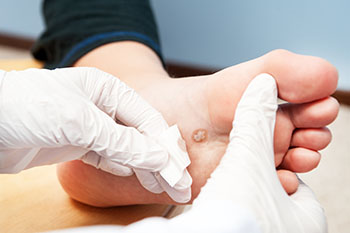
If you notice small bumps around the heel or weight-bearing areas of your feet, you may have developed plantar warts. When the HPV virus enters the skin through an opening, such as a small cut or scrape, plantar warts can form and often cause discomfort. Some indicators that you have plantar warts include feeling pain in the soles of the feet when standing or walking and the formation of small fleshy growths, sometimes including a tiny black dot in the center of the bump.
To best prevent getting plantar warts, it’s advised to keep your hands and feet clean and wash them regularly. It’s also important to ensure you wear appropriate footwear in public areas such as swimming pools, locker rooms, and communal showers. Because plantar warts are contagious, it’s especially important for those with a weaker immune system to make sure they take the above precautions. If you believe you’ve developed plantar warts and are experiencing severe pain, swelling, redness, or bleeding, it’s advised to seek professional care.
For more information about plantar warts, we recommend you consult with a podiatrist for a proper diagnosis and advised treatment plan.

Athletes, or those who are frequently involved in sporting activities, are generally at a higher risk of getting a foot or ankle injury. Overuse and intense pressure put on the muscles, ligaments, and tendons of the lower extremity region are typically caused by repetitive motions. This in turn will often cause stress and lead to injury of the foot or ankle. Some of the most common injuries caused by sporting activities include ankle sprains, peroneal tendonitis, stress fractures, chronic ankle instability, heel pain, injury to the Achilles tendon, and injury to the sesamoid bones.
Sports in which ankle sprains commonly occur include soccer, tennis, and cheerleading. Ankle sprains are caused by a tear in the ligament of the ankle, which typically occurs when the foot is rolled in an awkward manner. Ankle sprains are usually accompanied with bruising, swelling, and pain. Those who have sprained an ankle in the past may run the risk of developing chronic ankle instability. Those with this condition will generally feel a persistent pain, swelling, and tenderness in the ankle, and may experience the sensation of the ankle giving way when performing everyday activities.
If you’re frequently involved in sporting activities and would like more information on how to best protect your foot and ankle, we recommend you speak with a podiatrist for professional care and advice.

Plantar fasciitis is a foot condition that particularly causes a great deal of pain in the heel area. Some patients have described the pain as stabbing and is typically felt in the morning, when first getting out of bed. You may also experience pain with this condition if you stand or sit for long periods of time throughout the day. The development of plantar fasciitis is quite common among runners, those who are overweight, and those who do get enough support from their footwear.
When small tears occur on the fascia, it may become inflamed, especially if too much pressure is put on the tissue. It’s extremely important that you seek professional help as soon as you feel any type of foot pain. If plantar fasciitis is left untreated, there’s a high chance you may develop chronic heel plan. You may also develop other issues connected with your foot, knee, hip, or back, all due to the body walking differently to relieve pain felt from plantar fasciitis.
For more information about plantar fasciitis, we recommend you consult with a podiatrist for a proper diagnosis and to discuss a treatment plan.
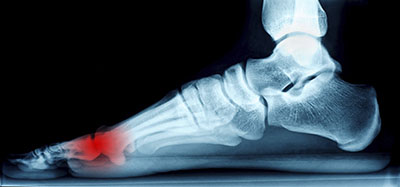
The pain caused by Morton’s neuroma is typically experienced at the ball of the foot. Many have described the sensation as feeling like they have a pebble stuck in their shoe. Because of this, those with the condition may find walking to be more difficult and uncomfortable. They may also experience a numbing or burning sensation in the foot. One of the most common factors that influence the development of Morton’s neuroma is improper footwear. Those who generally wear tightly fitted shoes or shoes with higher heels are more at risk at getting Morton’s neuroma. Having a foot abnormality may also increase the risk of getting this condition, as it may cause instability, thus adding more pressure onto the nerves of the foot. Certain foot conditions such as bunions, hammertoes, and flat flat feet have also been known to lead to Morton’s neuroma if not treated promptly.
Athletes have a tendency of getting Morton’s neuroma due to repetitive motions and pressure placed on the ball of the foot while running or jumping. Morton’s neuroma may also develop as a result of an injury to the foot.
To learn more about Morton’s neuroma and treatments that work best for your case, consult with your podiatrist.
Connect With Us







 Rate Us