Connect With Us
Blog
Items filtered by date: April 2018
Monday, 30 April 2018 00:00
What is the Achilles Tendon?
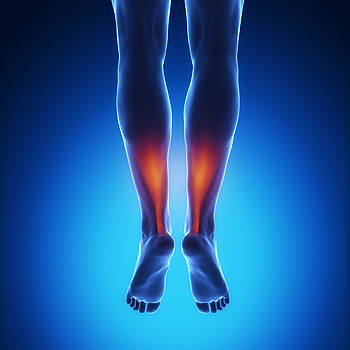 The Achilles tendon is one of the longest tendons in the body, and its purpose is to connect the heel bone to the calf. If an injury should occur to the Achilles tendon, severe pain may be felt. An acute tear to the Achilles tendon is often due to a sports mishap. If you are involved in tennis, soccer, volleyball, or similar sports, this type of injury may be more likely to occur. If you feel that damage may have been done to the Achilles tendon, swelling, stiffness, and reduced strength in the foot may be experienced. To determine the severity of the injury, an MRI or ultrasound may be performed. Treatment will typically consist of resting the foot, wearing different footwear, or using orthotic devices. Schedule a consultation with your podiatrist for a proper evaluation if you believe you've sustained an Achilles tendon injury.
Achilles tendon injuries need immediate attention to avoid future complications. If you have any concerns, contact one of our podiatrists of Florida Foot & Ankle Group, P.A.. Our doctors can provide the care you need to keep you pain-free and on your feet.
What Is the Achilles Tendon?
The Achilles tendon is a tendon that connects the lower leg muscles and calf to the heel of the foot. It is the strongest tendon in the human body and is essential for making movement possible. Because this tendon is such an integral part of the body, any injuries to it can create immense difficulties and should immediately be presented to a doctor.
What Are the Symptoms of an Achilles Tendon Injury?
There are various types of injuries that can affect the Achilles tendon. The two most common injuries are Achilles tendinitis and ruptures of the tendon.
Achilles Tendinitis Symptoms
- Inflammation
- Dull to severe pain
- Increased blood flow to the tendon
- Thickening of the tendon
Rupture Symptoms
- Extreme pain and swelling in the foot
- Total immobility
Treatment and Prevention
Achilles tendon injuries are diagnosed by a thorough physical evaluation, which can include an MRI. Treatment involves rest, physical therapy, and in some cases, surgery. However, various preventative measures can be taken to avoid these injuries, such as:
- Thorough stretching of the tendon before and after exercise
- Strengthening exercises like calf raises, squats, leg curls, leg extensions, leg raises, lunges, and leg presses
If you have any questions please feel free to contact one of our offices located in Debary, Lake Mary, Orlando, and Oviedo, FL . We offer the newest diagnostic tools and technology to treat your foot and ankle needs.
Monday, 23 April 2018 00:00
Are Medical Conditions Related to our Feet?
 It has often been recognized that many conditions concerning the feet may be indicative of the overall health of the body. If muscle spasms in the feet are experienced, it may be a result of certain vitamin deficiencies, which may cause dehydration. Additionally, if the feet are generally cold for a majority of the time, health issues such as diabetes or anemia may be present. Swollen and tender feet may represent the body’s inability to properly circulate the blood. Gout, a form of arthritis, is an extremely painful condition that typically affects men. This ailment is often triggered by a buildup of uric acid crystals, caused by ingesting excessive alcohol or meat. A condition referred to as foot drop indicates difficulty in lifting the front of the foot. This may be a result of the body incurring nerve damage, possibly originating from a leg injury. It’s suggested to consult with a podiatrist if you are affected by any of these conditions.
When dealing with systemic disease of the feet, it is extremely important to check the affected areas routinely so that any additional problems are caught quickly. If you have any concerns about your feet and ankles contact one of our podiatrists from Florida Foot & Ankle Group, P.A.. Our doctors will assist you with all of your podiatric needs.
Systemic Diseases of the Feet
Systemic diseases affect the whole body, and symptoms usually are displayed in the feet. This condition can make a patient’s ability to walk unbearable. Systemic diseases include gout, diabetes mellitus, neurological disorders, and arthritis.
Gout – is caused by an excess of uric acid in the body. Common symptoms include pain, inflammation, and redness at the metatarsal/phalangeal joint of the base big toe. Gout can be treated by NSAIDs to relieve pain and inflammation, and other drugs that lower the acid levels in the body.
Diabetes mellitus – is an increase in the level of blood sugar that the body cannot counteract with its own insulin. Failure to produce enough insulin is a factor in Diabetes.
Diabetes of the Feet
Diabetic Neuropathy – may lead to damaged nerves and affect the feet through numbness and loss of sensation.
Peripheral Vascular Disease – can restrict the blood flow to the feet, and often times lead to amputation of the feet.
If you have any questions please feel free to contact one of our offices located in Debary, Lake Mary, Orlando, and Oviedo, FL . We offer the newest diagnostic and treatment technologies for all your foot and ankle needs.
Monday, 16 April 2018 00:00
The Benefits of Preventing Running Injuries
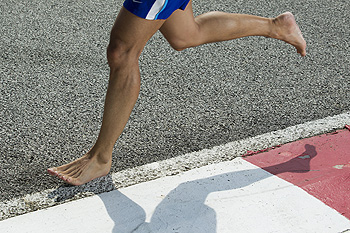 Most running injuries occur from the muscles being overused, poorly fitting shoes that are worn, or a deviation in how the body is structured. Recent research has suggested that slowly increasing how many miles are run will give the body the strength to endure any pain that is experienced. It’s crucial that the correct shoes are worn, which may help to alleviate any issues the feet many endure. The benefits of practicing stretching exercises frequently before and after running may include eliminating any tightness and cramping that may occur, in addition to strengthening the muscles of the legs. Shin splints are a common and painful injury that may develop and can be avoided if proper running techniques are learned. Please consult with a podiatrist if you would like additional information about how to prevent running injuries.
Exercising your feet regularly with the proper foot wear is a great way to prevent injuries. If you have any concerns about your feet, contact one of our podiatrists of Florida Foot & Ankle Group, P.A.. Our doctors will treat your foot and ankle needs.
How to Prevent Running Injuries
Many common running injuries are caused by overuse and overtraining. When the back of the kneecap starts wearing out and starts causing pain in your knee, this is commonly referred to as runner’s knee. Runner’s knee is a decrease in strength in your quadriceps and can occur if you’re not wearing properly fitted or supporting shoes. To prevent runner’s knee, focusing on hip strengthening is a good idea, as well as strengthening your quads to keep the kneecaps aligned.
What Are Some Causes of Running Injuries?
- One cause of a common running injury is called iliotibial band syndrome.
- Plantar fasciitis is also another common injury.
- Stress fractures can occur from overtraining, lack of calcium, or even your running style.
Best Ways to Prevent Running Injuries
- Wear footwear that fits properly and suits your running needs.
- Running shoes are the only protective gear that runners have to safeguard them from injury.
- Make a training schedule. Adding strengthening exercises as well as regular stretching can help keep you strong and limber and can lessen the possibility of injuries.
- Stretching keeps muscles limber; this will help you gain better flexibility.
If you have any questions please feel free to contact one of our offices located in Debary, Lake Mary, Orlando, and Oviedo, FL . We offer the newest diagnostic and treatment technologies for all your foot and ankle needs.
Monday, 09 April 2018 00:00
Causes of Cracked Heels
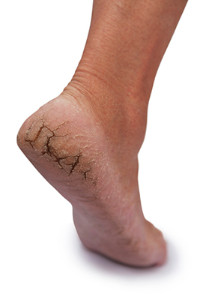 If your daily routine consists of standing the majority of the day, you may develop a condition referred to as cracked heels. There are several additional reasons why this ailment may occur, including wearing shoes that do not support the back of the foot, being overweight and requiring the feet to endure additional pressure, and skin conditions such as psoriasis and eczema. The cracks in the skin, also referred to as fissures, may become painful, which could make walking and standing difficult to manage. If your skin is dry, it’s beneficial to utilize a moisturizer to aid the skin in retaining moisture. Additionally, cracked heels may be a symptom of athlete’s foot, which can lead to an infection possibly occurring through the breaks in the skin. Please consult a podiatrist for additional information about cracked heels and possible treatment options.
Cracked heels are unsightly and can cause further damage to your shoes and feet. If you have any concerns, contact one of our podiatrists from Florida Foot & Ankle Group, P.A.. Our doctors can provide the care you need to keep you pain-free and on your feet.
Cracked Heels
Cracked heels appear unappealing and can make it harder for you walk around in sandals. Aside from looking unpleasant, cracked heels can also tear stockings, socks, and wear out your shoes. There are several methods to help restore a cracked heel and prevent further damage.
How Do You Get Them?
Dry skin is the number one culprit in creating cracked heels. Many athletes, walkers, joggers, and even swimmers suffer from cracked heels. Age and skin oil production play a role to getting cracked heels as well.
Promote Healing
Over the counter medicines can help, especially for those that need instant relief or who suffer from chronic dry feet.
Wear Socks – Wearing socks with medicated creams helps lock in moisture.
Moisturizers – Applying both day and night will help alleviate dryness which causes cracking.
Pumice Stones – These exfoliate and remove dead skin, which allows for smoother moisturizer application and better absorption into the skin.
Change in Diet
Eating healthy with a well-balanced diet will give the skin a fresh and radiant look. Your body responds to the kinds of food you ingest. Omega-3 fatty acids and zinc supplements can also revitalize skin tissue.
Most importantly, seek professional help if unsure how to proceed in treating cracked heels. A podiatrist will help you with any questions or information needed.
If you have any questions, please feel free to contact one of our offices located in Debary, Lake Mary, Orlando, and Oviedo, FL . We offer the newest diagnostic and treatment technologies for all your foot care needs.
Monday, 02 April 2018 00:00
Causes of Gout
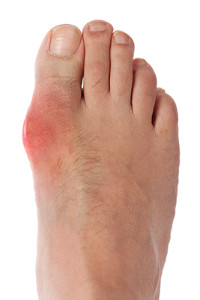 Gout is considered to be a form of arthritis. The pain associated with an attack of gout is commonly described as severe and generally affects the big toe, possibly causing difficulty in walking. Crystals develop from the excess of uric acid produced by the body, and typically lodge in the joints of the big toe. Inflammation in the joints is a result of this build-up and this typically causes redness, swelling, and discomfort. There are several possible causes for this condition to occur including ingesting excess alcohol, drinking beverages that are high in sugar content, and consuming certain foods such as herring, sardines, or foods that are rich in yeast. Treatment options for gout attacks may include elevating the foot to reduce any swelling, or taking anti-inflammatory painkillers. If you are affected by this ailment, please consult with a podiatrist for additional information, and prevention techniques for gout.
Gout is a foot condition that requires certain treatment and care. If you are seeking treatment, contact one of our podiatrists from Florida Foot & Ankle Group, P.A.. Our doctors will treat your foot and ankle needs.
What Is Gout?
Gout is a type of arthritis caused by a buildup of uric acid in the bloodstream. It often develops in the foot, especially the big toe area, although it can manifest in other parts of the body as well. Gout can make walking and standing very painful and is especially common in diabetics and the obese.
People typically get gout because of a poor diet. Genetic predisposition is also a factor. The children of parents who have had gout frequently have a chance of developing it themselves.
Gout can easily be identified by redness and inflammation of the big toe and the surrounding areas of the foot. Other symptoms include extreme fatigue, joint pain, and running high fevers. Sometimes corticosteroid drugs can be prescribed to treat gout, but the best way to combat this disease is to get more exercise and eat a better diet.
If you have any questions please feel free to contact one of our offices located in Debary, Lake Mary, Orlando, and Oviedo, FL . We offer the newest diagnostic and treatment technologies for all your foot and ankle needs.
Blog Archives
- April 2024
- February 2024
- January 2024
- December 2023
- November 2023
- September 2023
- July 2023
- June 2023
- May 2023
- January 2023
- November 2022
- October 2022
- August 2022
- June 2022
- April 2022
- March 2022
- February 2022
- January 2022
- December 2021
- November 2021
- October 2021
- September 2021
- August 2021
- July 2021
- June 2021
- May 2021
- April 2021
- March 2021
- February 2021
- January 2021
- December 2020
- November 2020
- October 2020
- September 2020
- August 2020
- July 2020
- June 2020
- May 2020
- April 2020
- March 2020
- February 2020
- January 2020
- December 2019
- November 2019
- October 2019
- September 2019
- August 2019
- July 2019
- June 2019
- May 2019
- April 2019
- March 2019
- February 2019
- January 2019
- December 2018
- November 2018
- October 2018
- September 2018
- August 2018
- July 2018
- June 2018
- May 2018
- April 2018
- March 2018
- February 2018
- January 2018
