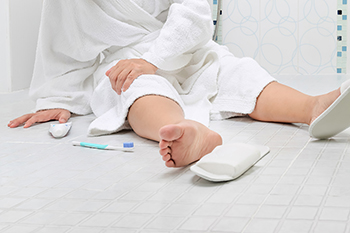
What Is Cuboid Syndrome?

Cuboid syndrome is a condition in which the cuboid bone on the outer side of the foot becomes partially displaced, leading to pain and difficulty with movement. Symptoms may include sharp lateral foot pain, swelling, tenderness, and a feeling of instability during walking. Causes can involve overuse, ankle sprains, or repetitive strain. Additionally, risk factors include high impact activities, wearing improper footwear, and flat feet. A podiatrist can diagnose the condition through a detailed examination, perform specific manipulations to realign the cuboid bone, and recommend supportive treatments that restore comfort and function. If you have persistent outer foot pain, it is suggested that you consult a podiatrist who can provide an accurate diagnosis and treatment.

Cuboid syndrome, also known as cuboid subluxation, occurs when the joints and ligaments near the cuboid bone in the foot become torn. If you have cuboid syndrome, consult with one of our podiatrists from Florida Foot & Ankle Group, P.A.. Our doctors will assess your condition and provide you with quality foot and ankle treatment.

Cuboid syndrome is a common cause of lateral foot pain, which is pain on the outside of the foot. The condition may happen suddenly due to an ankle sprain, or it may develop slowly overtime from repetitive tension through the bone and surrounding structures.

Causes

The most common causes of cuboid syndrome include:

  • Injury – The most common cause of this ailment is an ankle sprain.
  • Repetitive Strain – Tension placed through the peroneus longus muscle from repetitive activities such as jumping and running may cause excessive traction on the bone causing it to sublux.
  • Altered Foot Biomechanics – Most people suffering from cuboid subluxation have flat feet.

Symptoms

A common symptom of cuboid syndrome is pain along the outside of the foot which can be felt in the ankle and toes. This pain may create walking difficulties and may cause those with the condition to walk with a limp.

Diagnosis

Diagnosis of cuboid syndrome is often difficult, and it is often misdiagnosed. X-rays, MRIs and CT scans often fail to properly show the cuboid subluxation. Although there isn’t a specific test used to diagnose cuboid syndrome, your podiatrist will usually check if pain is felt while pressing firmly on the cuboid bone of your foot.

Treatment

Just as the range of causes varies widely, so do treatments. Some more common treatments are ice therapy, rest, exercise, taping, and orthotics.

If you have any questions, please feel free to contact one of our offices located in Debary, Lake Mary, Orlando, and Oviedo, FL . We offer the newest diagnostic and treatment technologies for all your foot care needs.

Read more about All About Cuboid Syndrome

It's Time for Beautiful Feet

You don't need an excuse to have beautiful nails. Step outside without worrying about the appearance of your feet.

Stretches That Ease Plantar Fasciitis Pain

Foot pain from plantar fasciitis often stems from tightness in a band of tissue that runs from the heel to the toes, placing strain on the arch and heel area. Stretching is an important way to reduce the tension and pain from plantar fasciitis. Calf stretches, performed while standing with one foot behind the other and the heel pressed to the floor, help release tightness that pulls on the heel bone. Seated stretches that involve gently pulling the toes upward or using a towel under the arches can directly lengthen the plantar fascia and support healing. These movements improve flexibility in the feet and ankles, reduce inflammation, and may lessen the frequency of flare-ups. A podiatrist can examine the cause of your heel pain, recommend effective stretching routines, and provide additional treatment. If you have foot and heel pain from plantar fasciitis, it is suggested that you make an appointment with a podiatrist for an exam and treatment options.

Exercising your feet regularly with the proper foot wear is a great way to prevent injuries and build strength. If you have any concerns about your feet, contact one of our podiatrists from Florida Foot & Ankle Group, P.A.. Our doctors can provide the care you need to keep you pain-free and on your feet.

Exercise for Your Feet

Exercise for your feet can help you gain strength, mobility and flexibility in your feet. They say that strengthening your feet can be just as rewarding as strengthening another part of the body. Your feet are very important, and we often forget about them in our daily tasks. But it is because of our feet that are we able to get going and do what we need to. For those of us fortunate enough to not have any foot problems, it is an important gesture to take care of them to ensure good health in the long run.

Some foot health exercises can include ankle pumps, tip-toeing, toe rises, lifting off the floor doing reps and sets, and flexing the toes. It is best to speak with Our doctors to determine an appropriate regimen for your needs. Everyone’s needs and bodies are different, and the activities required to maintain strength in the feet vary from individual to individual. 

Once you get into a routine of doing regular exercise, you may notice a difference in your feet and how strong they may become.

If you have any questions, please feel free to contact one of our offices located in Debary, Lake Mary, Orlando, and Oviedo, FL . We offer the newest diagnostic and treatment technologies for all your foot care needs.

Read more about Exercise for Your Feet

When Small Toes Cause Big Problems

The smaller toes may seem unimportant, but they play a key role in balance and movement. When something goes wrong, even a tiny toe can cause surprising discomfort. Common issues include hammertoes, corns, calluses, and painful rubbing from tight shoes. The small toes are also prone to dislocation, nerve irritation, and fractures from stubbing or pressure during activity. Over time, structural imbalances or arthritis can make these toes curl, stiffen, or overlap, leading to chronic soreness and changes in gait. Because these problems often worsen gradually, early care makes a big difference. A podiatrist can recommend shoes with a wider toe box, padding, or custom orthotics to relieve pressure and improve alignment. In more severe cases, minor procedures can correct toe deformities and restore comfort. If you are experiencing pain or notice changes in your smaller toes, it is suggested that you see a podiatrist for a proper evaluation and appropriate treatment.

Foot surgery is sometimes necessary to treat a foot ailment. To learn more, contact one of our podiatrists of Florida Foot & Ankle Group, P.A.. Our doctors will assist you with all of your foot and ankle needs.

When Is Surgery Necessary?

Foot and ankle surgery is generally reserved for cases in which less invasive, conservative procedures have failed to alleviate the problem. Some of the cases in which surgery may be necessary include:

  • Removing foot deformities like bunions and bone spurs
  • Severe arthritis that has caused bone issues
  • Cosmetic reconstruction

What Types of Surgery Are There?

The type of surgery you receive will depend on the nature of the problem you have. Some of the possible surgeries include:

  • Bunionectomy for painful bunions
  • Surgical fusion for realignment of bones
  • Neuropathy decompression surgery to treat nerve damage

Benefits of Surgery

Although surgery is usually a last resort, it can provide more complete pain relief compared to non-surgical methods and may allow you to finally resume full activity.

Surgical techniques have also become increasingly sophisticated. Techniques like endoscopic surgery allow for smaller incisions and faster recovery times.

If you have any questions, please feel free to contact one of our offices located in Debary, Lake Mary, Orlando, and Oviedo, FL . We offer the newest diagnostic and treatment technologies for all your foot care needs.

Read more about Foot Surgery

Risk Factors for Plantar Fasciitis

Plantar fasciitis is a common condition characterized by inflammation of the thick band of tissue connecting the heel to the toes, causing heel pain and stiffness. Several risk factors increase the likelihood of developing this condition, including age, long distance running, abnormalities in foot biomechanics, obesity, and prolonged standing throughout the day. Individuals with these factors may experience sharp pain during the first steps in the morning or after periods of rest. A podiatrist can help by diagnosing the condition, providing custom orthotics, recommending stretching exercises, and suggesting treatments to reduce inflammation and relieve pain. If you have persistent heel discomfort or stiffness, it is suggested that you promptly schedule an appointment with a podiatrist who can provide an accurate diagnosis and offer effective treatment solutions.

Plantar fasciitis is a common foot condition that is often caused by a strain injury. If you are experiencing heel pain or symptoms of plantar fasciitis, contact one of our podiatrists from Florida Foot & Ankle Group, P.A.. Our doctors can provide the care you need to keep you pain-free and on your feet.

What Is Plantar Fasciitis?

Plantar fasciitis is one of the most common causes of heel pain. The plantar fascia is a ligament that connects your heel to the front of your foot. When this ligament becomes inflamed, plantar fasciitis is the result. If you have plantar fasciitis you will have a stabbing pain that usually occurs with your first steps in the morning. As the day progresses and you walk around more, this pain will start to disappear, but it will return after long periods of standing or sitting.

What Causes Plantar Fasciitis?

  • Excessive running
  • Having high arches in your feet
  • Other foot issues such as flat feet
  • Pregnancy (due to the sudden weight gain)
  • Being on your feet very often

There are some risk factors that may make you more likely to develop plantar fasciitis compared to others. The condition most commonly affects adults between the ages of 40 and 60. It also tends to affect people who are obese because the extra pounds result in extra stress being placed on the plantar fascia.

Prevention

  • Take good care of your feet – Wear shoes that have good arch support and heel cushioning.
  • Maintain a healthy weight
  • If you are a runner, alternate running with other sports that won’t cause heel pain

There are a variety of treatment options available for plantar fasciitis along with the pain that accompanies it. Additionally, physical therapy is a very important component in the treatment process. It is important that you meet with your podiatrist to determine which treatment option is best for you.

If you have any questions, please feel free to contact one of our offices located in Debary, Lake Mary, Orlando, and Oviedo, FL . We offer the newest diagnostic and treatment technologies for all your foot care needs.


Read more about Plantar Fasciitis

Connect With Us

scroll to top