Connect With Us
Blog
Items filtered by date: January 2019
Monday, 28 January 2019 00:00
Foot Massages Are a Form of Foot Therapy
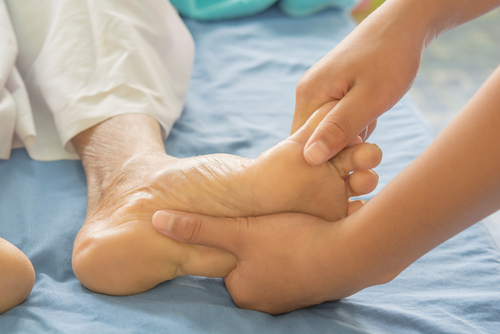 Research has indicated that a foot massage is a popular form of foot therapy. Many people enjoy the benefits of this type of therapy, and have realized the positive effects the overall body may enjoy. According to chinese medicine, when pressure is exerted on specific areas of the feet which is referred to as reflexology, it may aid in healing conditions that may be present in the body. Patients who endure chronic pain throughout the body may be helped by the practice of foot massages. Additionally, general pain throughout the body, lower back pain, and anxiety are uncomfortable ailments that may gradually ease when pressure is applied to certain pressure points in the feet. If you would like additional information about the benefits of foot therapy, please consult with a podiatrist who can properly guide you.
Foot therapy is often necessary for those recovering from either foot deformities or foot injuries. If you have concerns regarding therapy, consult with one of our podiatrists from Florida Foot & Ankle Group, P.A.. Our doctors can provide the care you need to keep you pain-free and on your feet.
Most Common Injuries
People who are active or athletes are prone to a variety of injuries. Therefore, it is often important to take part in physical therapy in order to quickly get back on the right track.
What to Do When Injured
Physical Therapy – This specialized treatment will focus on the affected area, speeding up recovery and the overall healing process. It is a proven method that has helped millions of people return from any injury.
During physical therapy you will undergo regimented training to get back into full form. Training is often very difficult, especially at first when the foot feels weak. Physical therapy often involves:
Basic stretching and twisting exercises – getting the feet’s mobility and flexibility up.
Massaging – the therapist will massage the injured area in order to activate the muscles and relax them.
Strengthening Exercises – this allows the muscles in the affected area to regain their full strength, a vital step towards full recovery.
If you have any questions please feel free to contact one of our offices located in Debary, Lake Mary, Orlando, and Oviedo, FL . We offer the newest diagnostic tools and technology to treat your foot and ankle needs.
Monday, 21 January 2019 00:00
Protecting Your Feet from Plantar Warts at the Gym
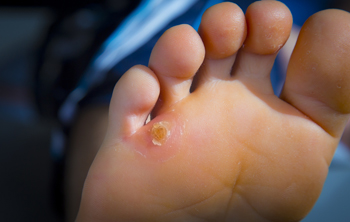 Plantar warts are small growths that mainly appear at the bottom of your foot and are a common viral skin infection. Unfortunately, they spread easily and being cautious in certain public spaces is key to protecting your feet. One public space to be especially vigilant in is the gym. It is important to always wear shoes at the gym, specifically near pools, in locker rooms and showers. Simply keeping a pair of shower shoes or flip flops in your gym bag helps to keep your feet safe from the multitude of bacteria that they would otherwise be exposed to. Additionally, any cuts or small wounds should always be covered. If you have a cut, it is also a good idea to stay away from saunas and hot tubs until it is healed. Covering your feet in order to prevent contact with an infected area is the best way to avoid these uncomfortable warts. If you think you may have contracted plantar warts, it is recommended that you speak to a podiatrist to receive proper treatment.
Plantar warts can be very uncomfortable. If you need your feet checked, contact one of our podiatrists from Florida Foot & Ankle Group, P.A.. Our doctors will assist you with all of your foot and ankle needs.
About Plantar Warts
Plantar warts are the result of HPV, or human papillomavirus, getting into open wounds on the feet. They are mostly found on the heels or balls of the feet.
While plantar warts are generally harmless, those experiencing excessive pain or those suffering from diabetes or a compromised immune system require immediate medical care. Plantar warts are easily diagnosed, usually through scraping off a bit of rough skin or by getting a biopsy.
Symptoms
- Lesions on the bottom of your feet, usually rough and grainy
- Hard or thick callused spots
- Wart seeds, which are small clotted blood vessels that look like little black spots
- Pain, discomfort, or tenderness of your feet when walking or standing
Treatment
- Freezing
- Electric tool removal
- Laser Treatment
- Topical Creams (prescription only)
- Over-the-counter medications
To help prevent developing plantar warts, avoid walking barefoot over abrasive surfaces that can cause cuts or wounds for HPV to get into. Avoiding direct contact with other warts, as well as not picking or rubbing existing warts, can help prevent the further spread of plantar warts. However, if you think you have developed plantar warts, speak to your podiatrist. He or she can diagnose the warts on your feet and recommend the appropriate treatment options.
If you have any questions please feel free to contact one of our offices located in Debary, Lake Mary, Orlando, and Oviedo, FL . We offer the newest diagnostic and treatment technologies for all your foot and ankle needs.
Monday, 14 January 2019 00:00
Causes of Poor Circulation
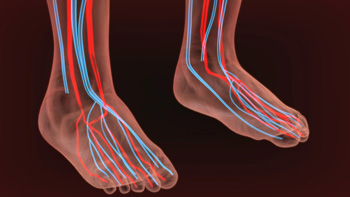 Research has shown there may be several indicators of poor circulation. These may include discoloration of the toes, a loss of feeling or numbing sensation, dry skin, or frequent headaches. This condition may typically happen as a result of damage the blood vessels have incurred, and there are several ways for this to occur. Genetics may play a significant role, in addition to having excess fat, lack of following an effective exercise routine, and developing diabetes, which is the result of elevated glucose levels. Poor circulation may be indicative of raynaud’s disease, which typically causes the fingers and toes to lose feeling and become cold. If you are experiencing any symptoms of poor circulation, it is suggested to speak to a podiatrist who can properly diagnosis this condition and begin the correct treatment.
While poor circulation itself isn’t a condition; it is a symptom of another underlying health condition you may have. If you have any concerns with poor circulation in your feet contact one of our podiatrists of Florida Foot & Ankle Group, P.A.. Our doctors will treat your foot and ankle needs.
Poor Circulation in the Feet
Peripheral artery disease (PAD) can potentially lead to poor circulation in the lower extremities. PAD is a condition that causes the blood vessels and arteries to narrow. In a linked condition called atherosclerosis, the arteries stiffen up due to a buildup of plaque in the arteries and blood vessels. These two conditions can cause a decrease in the amount of blood that flows to your extremities, therefore resulting in pain.
Symptoms
Some of the most common symptoms of poor circulation are:
- Numbness
- Tingling
- Throbbing or stinging pain in limbs
- Pain
- Muscle Cramps
Treatment for poor circulation often depends on the underlying condition that causes it. Methods for treatment may include insulin for diabetes, special exercise programs, surgery for varicose veins, or compression socks for swollen legs.
As always, see a podiatrist as he or she will assist in finding a regimen that suits you. A podiatrist can also prescribe you any needed medication.
If you have any questions, please feel free to contact one of our offices located in Debary, Lake Mary, Orlando, and Oviedo, FL . We offer the newest diagnostic and treatment technologies for all your foot care needs.
Monday, 07 January 2019 00:00
Stretch Before Running
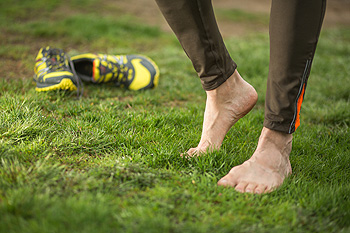 Many people enjoy running as a form of exercise to maintain cardiovascular health, in addition to losing weight. An effective method that can be implemented, which may possibly prevent injuries from occurring, may include to properly warm up and stretch before beginning a run. It may be beneficial to undergo a physical examination before embarking on this sport, and this may pinpoint any health issues that may be present. Additionally, if you set realistic goals about your running, it may aid in promoting safety and possibly prevent overexertion. It is suggested to wear appropriate shoes while running and this may ensure a proper fit. If you are considering running as a hobby or sport, it is advised to speak to a podiatrist who can properly educate you on preventing running injuries.
All runners should take extra precaution when trying to avoid injury. If you have any concerns about your feet, contact one of our podiatrists of Florida Foot & Ankle Group, P.A.. Our doctors will treat your foot and ankle needs.
How to Prevent Running Injuries
There are a lot of mistakes a runner can make prior to a workout that can induce injury. A lot of athletes tend to overstretch before running, instead of saving those workouts for a post-run routine. Deep lunges and hand-to-toe hamstring pulls should be performed after a workout instead of during a warmup. Another common mistake is jumping into an intense routine before your body is physically prepared for it. You should try to ease your way into long-distance running instead of forcing yourself to rush into it.
More Tips for Preventing Injury
- Incorporate Strength Training into Workouts - This will help improve the body’s overall athleticism
- Improve and Maintain Your Flexibility – Stretching everyday will help improve overall performance
- “Warm Up” Before Running and “Cool Down” Afterward – A warm up of 5-10 minutes helps get rid of lactic acid in the muscles and prevents delayed muscle soreness
- Cross-Training is Crucial
- Wear Proper Running Shoes
- Have a Formal Gait Analysis – Poor biomechanics can easily cause injury
If you have any questions, please feel free to contact one of our offices located in Debary, Lake Mary, Orlando, and Oviedo, FL . We offer the newest diagnostic and treatment technologies for all your foot care needs.
Wednesday, 02 January 2019 00:00
Proper Foot Care May Prevent Certain Foot Conditions from Occurring
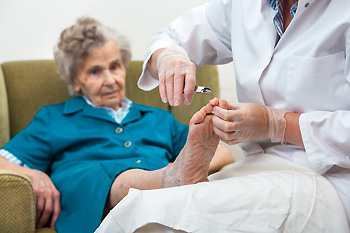 Many people are aware of how having healthy feet can benefit the overall health of the body. As the aging process occurs, it may become difficult to perform daily foot inspections, which may prevent specific foot conditions from occurring. When the feet are properly looked after, improved muscle strength may be noticed, walking may become easier, and having stronger feet may prevent unnecessary falling from occurring. When practicing certain preventative measures, foot ailments that may include bunions and fungal infections of the feet or toenails may be avoided. Additionally, frequent soaking of the feet may aid in properly trimming the toenails and may provide relief if an ingrown toenail is present. If you would like additional information about the importance of properly caring for elderly feet, it is advised to seek the counsel of a podiatrist.
Proper foot care is something many older adults forget to consider. If you have any concerns about your feet and ankles, contact one of our podiatrists from Florida Foot & Ankle Group, P.A.. Our doctors can provide the care you need to keep you pain-free and on your feet.
The Elderly and Their Feet
As we age we start to notice many changes in our body, but the elder population may not notice them right away. Medical conditions may prevent the elderly to take notice of their foot health right away. Poor vision is a lead contributor to not taking action for the elderly.
Common Conditions
- Neuropathy – can reduce feeling in the feet and can hide many life-threatening medical conditions.
- Reduced flexibility – prevents the ability of proper toenail trimming, and foot cleaning. If left untreated, it may lead to further medical issues.
- Foot sores – amongst the older population can be serious before they are discovered. Some of the problematic conditions they may face are:
- Gouging toenails affecting nearby toe
- Shoes that don’t fit properly
- Pressure sores
- Loss of circulation in legs & feet
- Edema & swelling of feet and ankles
Susceptible Infections
Diabetes and poor circulation can cause general loss of sensitivity over the years, turning a simple cut into a serious issue.
If you have any questions please feel free to contact one of our offices located in Debary, Lake Mary, Orlando, and Oviedo, FL . We offer the newest diagnostic and treatment technologies for all your foot and ankle needs.
Blog Archives
- April 2025
- March 2025
- February 2025
- January 2025
- December 2024
- November 2024
- October 2024
- September 2024
- August 2024
- July 2024
- June 2024
- May 2024
- April 2024
- March 2024
- February 2024
- January 2024
- December 2023
- September 2023
- August 2023
- June 2023
- May 2023
- April 2023
- March 2023
- February 2023
- January 2023
- December 2022
- November 2022
- October 2022
- September 2022
- August 2022
- July 2022
- June 2022
- April 2022
- March 2022
- February 2022
- January 2022
- December 2021
- October 2021
- September 2021
- August 2021
- July 2021
- June 2021
- May 2021
- April 2021
- March 2021
- February 2021
- January 2021
- December 2020
- November 2020
- October 2020
- September 2020
- August 2020
- July 2020
- June 2020
- May 2020
- April 2020
- March 2020
- February 2020
- January 2020
- December 2019
- November 2019
- October 2019
- September 2019
- August 2019
- July 2019
- June 2019
- May 2019
- April 2019
- March 2019
- February 2019
- January 2019
- December 2018
- November 2018
- October 2018
- September 2018
- August 2018
- July 2018
- June 2018
- May 2018
- April 2018
- March 2018
- February 2018
- January 2018
