
Podiatry Treatment for Plantar Fasciitis

Plantar fasciitis develops when the plantar fascia becomes irritated. The plantar fascia is a strong band of tissue that runs along the bottom of the foot from the heel toward the toes. It helps support the arch and absorbs stress when standing or walking. Repeated strain on this tissue leads to heel pain and tenderness. Factors that contribute include long periods of standing, increased physical activity, and changes in foot structure. Shoes that lack proper support also place added stress on the plantar fascia. Pain is usually felt near the bottom of the heel. It is especially noticeable with the first steps after getting out of bed or after sitting for an extended period.

A podiatrist evaluates plantar fasciitis by examining the foot and identifying areas of pain or tenderness. An examination includes checking the arch, ankle movement, and foot flexibility. The podiatrist also observes how the patient stands and walks in order to identify movement patterns that could place added stress on the plantar fascia. Treatment is focused on reducing strain while improving foot support and function. Custom orthotics help distribute pressure more evenly and support the arch. A podiatrist may recommend shoes that provide appropriate cushioning and support. Targeted treatment also improves flexibility and addresses tight tissues that contribute to heel discomfort.

Plantar fasciitis makes standing, walking, and completing daily activities uncomfortable. Patients can change the way they walk to avoid pressure on the painful heel, which places additional stress on other areas of the foot. A podiatrist identifies these changes and develops a treatment plan based on the patient's symptoms and foot structure. Care is focused on reducing painful pressure and improving the way the foot functions. Treatment can be adjusted according to the patient's activity level and response to care. Addressing the factors that place strain on the plantar fascia supports more comfortable movement and better foot function. If you have symptoms of plantar fasciitis, it is suggested that you make an appointment with a podiatrist for diagnosis and treatment.

Plantar fasciitis can be very painful and inconvenient. If you are experiencing heel pain or symptoms of plantar fasciitis, contact one of our podiatrists  from Florida Foot & Ankle Group, P.A.. Our doctors can provide the care you need to keep you pain-free and on your feet.

What Is Plantar Fasciitis?

Plantar fasciitis is the inflammation of the thick band of tissue that runs along the bottom of your foot, known as the plantar fascia, and causes mild to severe heel pain.

What Causes Plantar Fasciitis?

  • Excessive running
  • Non-supportive shoes
  • Overpronation
  • Repeated stretching and tearing of the plantar fascia

How Can It Be Treated?

  • Conservative measures – anti-inflammatories, ice packs, stretching exercises, physical therapy, orthotic devices
  • Shockwave therapy – sound waves are sent to the affected area to facilitate healing and are usually used for chronic cases of plantar fasciitis
  • Surgery – usually only used as a last resort when all else fails. The plantar fascia can be surgically detached from the heel

While very treatable, plantar fasciitis is definitely not something that should be ignored. Especially in severe cases, speaking to your doctor right away is highly recommended to avoid complications and severe heel pain. Your podiatrist can work with you to provide the appropriate treatment options tailored to your condition.

If you have any questions, please feel free to contact one of our offices located in Debary, Lake Mary, and Orlando, FL . We offer the newest diagnostic and treatment technologies for all your foot care needs.
Read more about Plantar Fasciitis

Orthotics and Flexible Flat Feet in Children

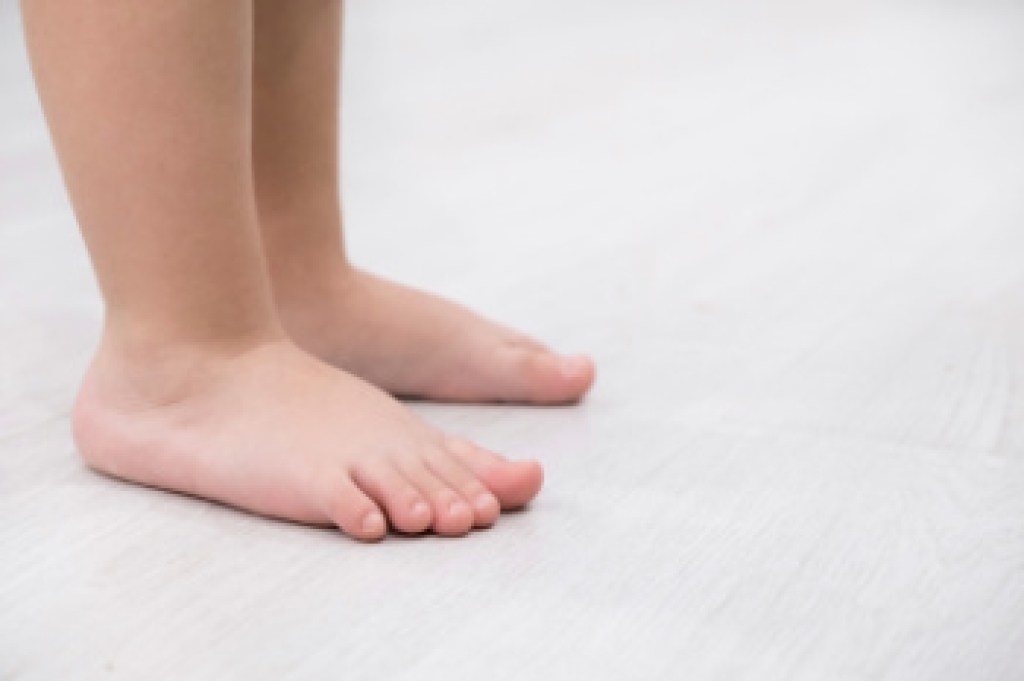
Flexible flat feet are common in children. They occur when the arches flatten while standing, but return when the child sits or rises onto the toes. Some children have no symptoms, while others may develop foot pain, tired legs, or discomfort after activity. Flexible flat feet can affect comfort and movement, especially when children participate in sports or walk for long periods. A podiatric evaluation can determine whether treatment is needed.

Several factors can increase the risk of developing flexible flat feet. Family history, ligament flexibility, and certain foot structures may contribute. Rapid growth can also change how a child stands and walks. Children with flexible flat feet may experience heel or arch discomfort, ankle fatigue, or changes in walking patterns. Although flat feet do not always cause problems, consistent pain or difficulty with activities warrants podiatric attention.


Orthotics can provide support for children whose flexible flat feet cause discomfort or affect movement. A podiatrist may first examine foot structure, walking patterns, and tenderness. The podiatrist may then recommend supportive shoes or custom orthotics. Properly fitted orthotics can help support the arch, improve alignment, and increase comfort during everyday activities. Follow-up visits allow the podiatrist to check fit, comfort, and treatment response.


Supporting healthy feet can help children stay active. Orthotics are not necessary for every child with flexible flat feet, so treatment should be based on symptoms and examination findings. A podiatrist may also recommend activity adjustments, footwear changes, and routine monitoring, when needed. Parents should seek evaluation if a child has persistent pain, fatigue, or difficulty keeping up with peers. If your child has pain from having flat feet and you want to consider insoles, it is suggested that you consult a podiatrist who can determine what type of orthotic is the most beneficial.

If you are having discomfort in your feet and would like to try orthotics, contact one of our podiatrists from Florida Foot & Ankle Group, P.A.. Our doctors can provide the care you need to keep you pain-free and on your feet.

What Are Orthotics?

Orthotics are inserts you can place into your shoes to help with a variety of foot problems such as flat feet or foot pain. Orthotics provide relief and comfort for minor foot and heel pain but can’t correct serious biomechanical problems in your feet.

Over-the-Counter Inserts

Orthotics come in a wide variety of over-the-counter inserts that are used to treat foot pain, heel pain, and minor problems. For example, arch supports can be inserted into your shoes to help correct overarched or flat feet, while gel insoles are often used because they provide comfort and relief from foot and heel pain by alleviating pressure.

Prescription Orthotics

If over-the-counter inserts don’t work for you or if you have a more severe foot concern, it is possible to have your podiatrist prescribe custom orthotics. These high-quality inserts are designed to treat problems such as abnormal motion, plantar fasciitis, and severe forms of heel pain. They can even be used to help patients suffering from diabetes by treating foot ulcers and painful calluses and are usually molded to your feet individually, which allows them to provide full support and comfort.

If you are experiencing minor to severe foot or heel pain, it’s recommended to speak with your podiatrist about the possibilities of using orthotics. A podiatrist can determine which type of orthotic is right for you and allow you to take the first steps towards being pain-free.

If you have any questions, please feel free to contact one of our offices located in Debary, Lake Mary, and Orlando, FL . We offer the newest diagnostic and treatment technologies for all your foot care needs.

Read more about Foot Orthotics

Heel Pain Can Be Treated!

Do you suffer from heel pain when you get up in the morning? If so, you should seek professional help and have a proper diagnosis performed. Heel pain can be caused by several different foot-related conditions.

Connect With Us

scroll to top