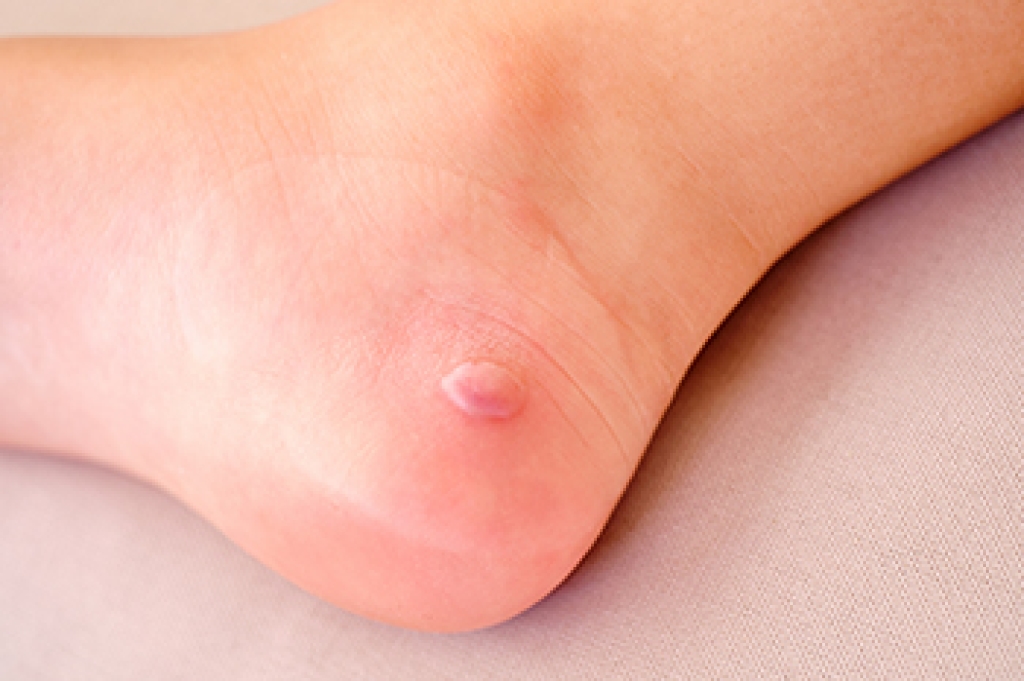
Podiatric Care for Blisters and Blistering Conditions

Blisters are fluid-filled pockets that form beneath the outer layer of skin. On the feet, they can develop when repeated rubbing or pressure irritates the skin. Tight shoes can create friction against the toes, heels, or sides of the feet. Burns and other skin injuries can also cause blisters. Most blisters caused by irritation affect the upper layers of skin and heal without leaving a scar. Symptoms include tenderness, redness, and a raised pocket of fluid. A blister can make standing or walking uncomfortable when pressure is placed on the affected area.

Not every blister develops from friction or an injury. Some diseases cause blisters because of problems within the body. Certain conditions involve the immune system mistakenly attacking healthy skin. These conditions can produce widespread blisters that begin in deeper layers of the skin. They can take longer to heal and can sometimes leave scars. Infections and reactions to certain medications can also cause serious blistering. A podiatrist can examine foot blisters and ask about when they appeared. The examination can help determine whether pressure, infection, or another condition could be responsible. Unexplained or widespread blistering can require evaluation by another medical specialist.

Treatment for foot blisters depends on their cause, location, and severity. A podiatrist can protect an irritated area and address pressure that contributes to the problem. Treatment can include professional wound care, protective padding, and care for an underlying infection. A podiatrist can also evaluate shoes that create repeated friction or pressure against the skin. Blisters linked to a more serious skin disease require treatment directed at the underlying condition. Patients with diabetes or poor circulation should have foot blisters evaluated promptly because damaged skin can lead to serious complications.  A podiatric evaluation is also important when a foot blister becomes increasingly painful, red, or swollen. If you are developing frequent blisters on your feet, it is suggested that you schedule an appointment with a podiatrist for effective relief and treatment solutions. 

Blisters are prone to making everyday activities extremely uncomfortable. If your feet are hurting, contact one of our podiatrists of Florida Foot & Ankle Group, P.A.. Our doctors can provide the care you need to keep you pain-free and on your feet.

Foot Blisters

Foot blisters develop as a result of constantly wearing tight or ill-fitting footwear. This happens due to the constant rubbing from the shoe, which can often lead to pain.

What Are Foot Blisters?

A foot blister is a small fluid-filled pocket that forms on the upper-most layer of the skin. Blisters are filled with clear fluid and can lead to blood drainage or pus if the area becomes infected.

How Do Blisters Form?

Blisters on the feet are often the result of constant friction of skin and material, usually by shoe rubbing. Walking in sandals, boots, or shoes that don’t fit properly for long periods of time can result in a blister. Having consistent foot moisture and humidity can easily lead to blister formation.

Prevention & Treatment

It is important to properly care for the affected area in order to prevent infection and ease the pain. Do not lance the blister and use a Band-Aid to provide pain relief. Also, be sure to keep your feet dry and wear proper fitting shoes. If you see blood or pus in a blister, seek assistance from a podiatrist.

If you have any questions, please feel free to contact one of our offices located in Debary, Lake Mary, and Orlando, FL . We offer the newest diagnostic and treatment technologies for all your foot care needs.
Read more about Blisters

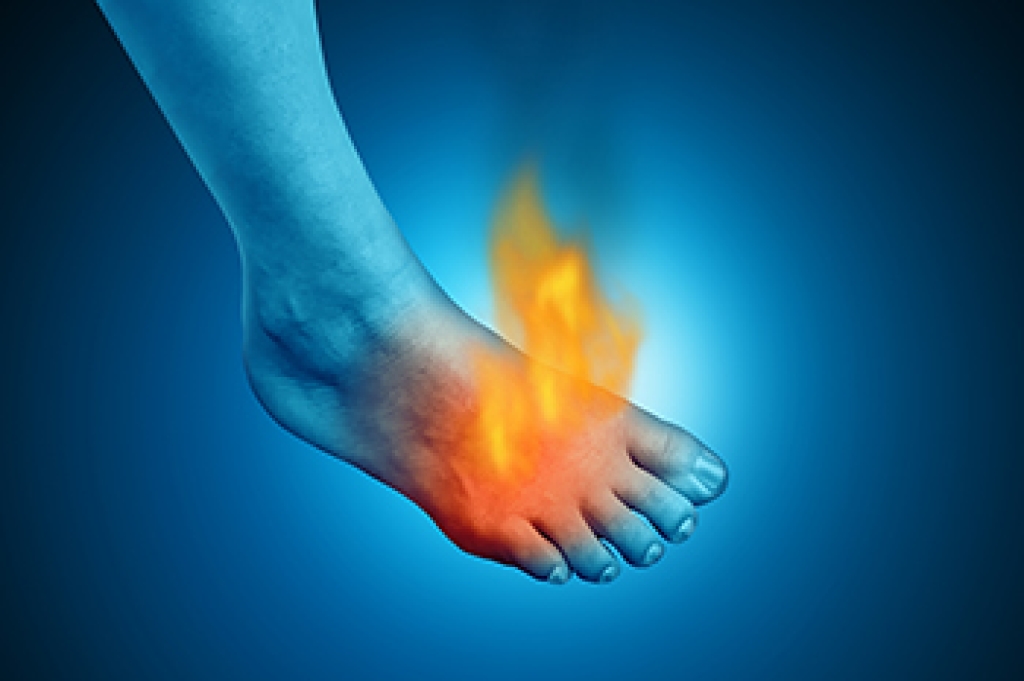
Burning Foot Pain Could Signal Nerve Damage

Nerve damage in the foot can develop when nerves between the toe bones become irritated and enlarged. These nerves travel between the toes and supply feeling to the forefoot. Irritation usually affects the nerve between the third and fourth toes, although another space can be involved. The thickened tissue surrounding an irritated nerve is known as a neuroma. Pressure from wearing tight or pointed shoes can contribute to the problem. Other causes include thinning of the protective fat beneath the forefoot and poor foot alignment. Certain foot shapes can also place stress on these nerves.

Symptoms often begin with a mild ache near the third or fourth toe. The discomfort can then become burning, tingling, or sharp pain in the ball of the foot. Some patients feel as though a pebble is trapped under the foot. Pain can spread into the toes and become more noticeable when wearing shoes that squeeze the forefoot. Continued irritation can make closed-toe shoes difficult to tolerate. A podiatrist will ask when the symptoms started and what makes them worse. The examination includes checking the painful area, foot structure, and toe movement. Imaging tests can help to rule out other problems, but they do not always clearly show an irritated nerve.

A podiatrist can reduce pressure on the affected nerve and address causes of irritation. Treatment includes recommending shoes with a wider toe box and proper support. Custom orthotics can improve foot alignment, while carefully placed pads can shift weight away from the painful area. A podiatrist may also provide an injection to decrease pain and inflammation around the nerve. When these measures do not bring enough relief, other office-based procedures can be discussed. Surgery to remove the enlarged nerve is reserved for persistent symptoms and can leave lasting numbness in nearby toes. If you have symptoms of nerve damage in the foot, it is suggested that you schedule an appointment with a podiatrist for a diagnosis and appropriate treatment.

Foot Pain

Foot pain can be extremely painful and debilitating. If you have a foot pain, consult with one of our podiatrists from Florida Foot & Ankle Group, P.A.. Our doctors will assess your condition and provide you with quality foot and ankle treatment.

Causes

Foot pain is a very broad condition that could be caused by one or more ailments. The most common include:

  • Bunions
  • Hammertoes
  • Plantar Fasciitis
  • Bone Spurs
  • Corns
  • Tarsal Tunnel Syndrome
  • Ingrown Toenails
  • Arthritis (such as Gout, Rheumatoid, and Osteoarthritis)
  • Flat Feet
  • Injury (from stress fractures, broken toe, foot, ankle, Achilles tendon ruptures, and sprains)
  • And more

Diagnosis

To figure out the cause of foot pain, podiatrists utilize several different methods. This can range from simple visual inspections and sensation tests to X-rays and MRI scans. Prior medical history, family medical history, and any recent physical traumatic events will all be taken into consideration for a proper diagnosis.

Treatment

Treatment depends upon the cause of the foot pain. Whether it is resting, staying off the foot, or having surgery; podiatrists have a number of treatment options available for foot pain.

If you have any questions, please feel free to contact one of our offices located in Debary, Lake Mary, and Orlando, FL . We offer the newest diagnostic and treatment technologies for all your foot care needs.

Read more about Foot Pain

Sever’s Disease in Active Children

Sever’s disease is a heel condition that can affect children while their bones are still growing. It develops when repeated stress irritates the growth plate at the heel. The Achilles tendon attaches in this area and can place increased pulling force on the developing heel during activity. Symptoms include heel pain, tenderness, and discomfort after running or jumping. A child may also limp or avoid activities that put pressure on the heel.

This condition most affects active children during growth spurts, between 8 and 14 years old. Boys and girls can develop Sever’s disease. Children who participate in sports involving running and jumping may have greater risk because their heels experience impact. Tight calf muscles, increased sports participation, and limited recovery between activities can also contribute. Symptoms may become more noticeable when training intensity increases.


A podiatrist evaluates the child’s symptoms, activity level, and walking pattern. The provider may examine ankle flexibility and calf tightness to understand how stress is affecting the heel. Imaging is sometimes used when symptoms are unusual or another injury needs to be excluded. Treatment is usually conservative and focuses on reducing stress. Care may include activity modification, wearing supportive footwear and heel lifts. Follow-up visits help monitor improvement and adjust treatment.


Relief at home can begin by reducing activities that trigger pain and allowing recovery between active days. Supportive shoes can reduce strain, while gentle stretching may help improve calf flexibility when recommended. Children should not be encouraged to continuplayig sports through heel pain. Most children improve as the growth plate matures, but persistent symptoms require evaluation. If your active child has symptoms of Sever’s disease, it is suggested that you consult a podiatrist for effective relief and management solutions. 

Sever's disease often occurs in children and teens. If your child is experiencing foot or ankle pain, see one of our podiatrists from Florida Foot & Ankle Group, P.A.. Our doctors can treat your child’s foot and ankle needs.

Sever’s Disease

Sever’s disease is also known as calcaneal apophysitis, which is a medical condition that causes heel pain I none or both feet. The disease is known to affect children between the ages of 8 and 14.

Sever’s disease occurs when part of the child’s heel known as the growth plate (calcaneal epiphysis) is attached to the Achilles tendon. This area can suffer injury when the muscles and tendons of the growing foot do not keep pace with bone growth. Therefore, the constant pain which one experiences at the back of the heel will make the child unable to put any weight on the heel. The child is then forced to walk on their toes.

Symptoms

Acute pain – Pain associated with Sever’s disease is usually felt in the heel when the child engages in physical activity such as walking, jumping and or running.

Highly active – Children who are very active are among the most susceptible in experiencing Sever’s disease, because of the stress and tension placed on their feet.

If you have any questions, please feel free to contact one of our offices located in Debary, Lake Mary, and Orlando, FL . We offer the newest diagnostic and treatment technologies for all your foot care needs.

Read more about Sever's Disease

Foot and Ankle Injuries in Athletes

Sports-related foot and ankle injuries can interrupt training, limit performance, and make everyday movement uncomfortable. Running, jumping, and sudden changes in direction place repeated stress on the feet and ankles, increasing the risk of injury. Common problems include ankle sprains, stress fractures, tendon injuries, and heel pain. Tendons are strong bands of tissue that connect muscles to bones. Symptoms include pain, swelling, bruising, and stiffness. Difficulty putting weight on the affected foot or ankle is another sign. Some injuries develop suddenly after a fall or awkward landing, while others result from repeated stress that gradually damages bones or soft tissues. Early evaluation helps identify the source of pain before the injury becomes more serious.

A podiatrist carefully evaluates foot structure, ankle stability, and walking pattern to determine what is contributing to the injury. The examination also identifies areas of tenderness and movement problems that increase stress on the feet during sports and other activities. Treatment includes custom orthotics, footwear recommendations, and care tailored to the specific injury. A podiatrist can also recommend exercises that improve flexibility, strength, and balance to support recovery and help reduce the risk of future injuries. Regular evaluations help monitor healing and guide a safe return to athletic activities. Improving foot mechanics can also reduce unnecessary strain on the joints and supporting tissues while walking and running.

Ignoring a sports-related foot or ankle injury can lead to ongoing pain, reduced performance, and a greater chance of repeated injuries. Returning to sports too quickly can increase stress on healing tissues and delay recovery. Wearing shoes that provide proper support and addressing movement problems can help protect the feet and ankles during physical activity. Early podiatry care improves foot function, supports healthy movement, and helps patients return to their favorite activities with greater confidence. If you have sustained a sports-related foot and ankle injury, it is suggested that you schedule an appointment with a podiatrist for diagnosis and treatment.

Ankle and foot injuries are common among athletes and in many sports. They can be caused by several problems and may be potentially serious. If you are feeling pain or think you were injured in a sporting event or when exercising, consult with one of our podiatrists from Florida Foot & Ankle Group, P.A.. Our doctors will assess your condition and provide you with quality foot and ankle treatment.

Common Injuries

The most common injuries that occur in sporting activities include:

  • Achilles Tendonitis
  • Achilles Tendon Rupture
  • Ankle Sprains
  • Broken Foot
  • Plantar Fasciitis
  • Stress Fractures
  • Turf Toe

Symptoms

Symptoms vary depending upon the injury and in some cases, there may be no symptoms at all. However, in most cases, some form of symptom is experienced. Pain, aching, burning, bruising, tenderness, tightness or stiffness, sensation loss, difficulty moving, and swelling are the most common symptoms.

Treatment

Just as symptoms vary depending upon the injury, so do treatment options. A common treatment method is known as the RICE method. This method involves rest, applying ice, compression and elevating the afflicted foot or ankle. If the injury appears to be more serious, surgery might be required, such as arthroscopic or reconstructive surgery. Lastly, rehabilitation or therapy might be needed to gain full functionality in the afflicted area. Any discomfort experienced by an athlete must be evaluated by a licensed, reputable medical professional.  

If you have any questions please contact one of our offices located in Debary, Lake Mary, and Orlando, FL . We offer the newest diagnostic and treatment technologies for all your foot and ankle needs.

Read more about Sports Related Foot and Ankle Injuries

Reminder: When Was the Last Time...?

Custom orthotics, or shoe inserts, should be periodically replaced. Orthotics must fit properly to give you the best results. Protect your feet and ankles!

Connect With Us

scroll to top