Dealing With Hammertoe

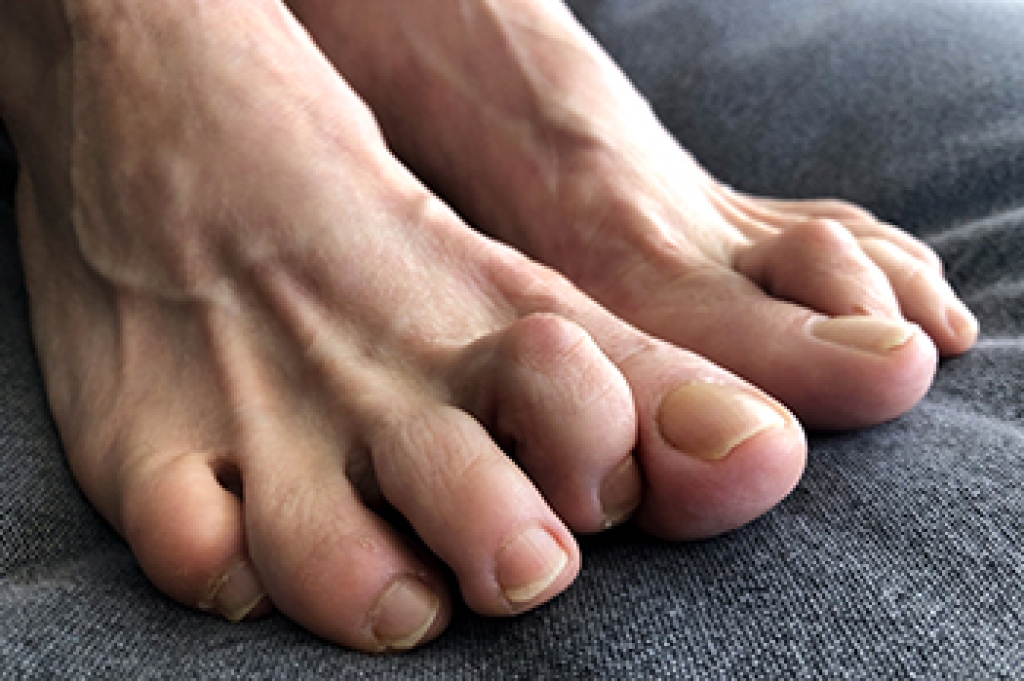
Hammertoe is a foot deformity that causes one or more of the smaller toes to bend downward at the middle joint instead of lying flat. The condition most often affects the second toe, although it can occur in other toes as well. In its early stages, the toe may still be flexible. Over time, it can become stiff and more difficult to straighten. Common symptoms include toe pain, swelling, and redness around the affected joint. Some people also develop corns or calluses because the bent toe rubs against footwear. As hammertoe progresses, walking and wearing shoes may become increasingly uncomfortable. A podiatric evaluation is important to identify the severity of the condition and recommend the most appropriate treatment.


Several factors can contribute to hammertoe, including muscle imbalance, arthritis, and previous toe injuries. Wearing shoes that place excessive pressure on the toes may also increase the risk. As the toe remains in a bent position, the surrounding muscles and tendons may tighten, making the deformity more difficult to correct. Ongoing changes in toe alignment can also affect balance and alter normal walking patterns. A thorough podiatry examination helps determine how the deformity is affecting foot function and whether other conditions are contributing to the problem. Early diagnosis allows treatment to begin before the toe becomes permanently rigid.


A podiatrist specializes in diagnosing and treating hammertoe while evaluating the overall structure and function of the foot. Professional treatment focuses on relieving discomfort, improving mobility, and slowing the progression of the deformity. Care is tailored to each patient's condition and may be adjusted as symptoms change over time. Regular follow-up visits also help monitor foot health and address new concerns before they become more serious. If hammertoe is causing pain, limiting your mobility, or making it difficult to wear shoes comfortably, it is suggested that you consult a podiatrist for an evaluation and appropriate treatment options.

Hammertoe

Hammertoes can be a painful condition to live with. For more information, contact one of our podiatrists from Florida Foot & Ankle Group, P.A.. Our doctors will answer any of your foot- and ankle-related questions.

Hammertoe is a foot deformity that affects the joints of the second, third, fourth, or fifth toes of your feet. It is a painful foot condition in which these toes curl and arch up, which can often lead to pain when wearing footwear.

Symptoms

  • Pain in the affected toes
  • Development of corns or calluses due to friction
  • Inflammation
  • Redness
  • Contracture of the toes

Causes

Genetics – People who are genetically predisposed to hammertoe are often more susceptible

Arthritis – Because arthritis affects the joints in your toes, further deformities stemming from arthritis can occur

Trauma – Direct trauma to the toes could potentially lead to hammertoe

Ill-fitting shoes – Undue pressure on the front of the toes from ill-fitting shoes can potentially lead to the development of hammertoe

Treatment

Orthotics – Custom made inserts can be used to help relieve pressure placed on the toes and therefore relieve some of the pain associated with it

Medications – Oral medications such as anti-inflammatories or NSAIDs could be used to treat the pain and inflammation hammertoes causes. Injections of corticosteroids are also sometimes used

Surgery – In more severe cases where the hammertoes have become more rigid, foot surgery is a potential option

If you have any questions, please feel free to contact one of our offices located in Debary, Lake Mary, and Orlando, FL . We offer the newest diagnostic and treatment technologies for all your foot care needs.

Read more about What Are Hammertoes?

Healthy Feet for Older Adults

As people grow older, natural changes in the feet can affect comfort, balance, and mobility. The skin often becomes thinner and drier, while the protective padding on the soles gradually decreases. Joints may become stiffer, and the feet can change shape. These age-related changes may increase the risk of foot pain, calluses, and nail problems. Some older adults also experience reduced circulation or decreased feeling in their feet, making it harder to notice developing concerns. Because healthy feet play an important role in staying active and independent, regular foot evaluations are essential. Identifying problems early can help prevent discomfort from interfering with daily activities and improve overall quality of life.


Several common foot conditions become more frequent with age, including bunions, hammertoes, and arthritis. Thickened toenails and changes in walking patterns may also develop as the feet continue to change. Persistent foot pain can make standing and walking more difficult, which may reduce physical activity and increase the risk of falls. A comprehensive podiatry examination allows the feet to be carefully evaluated for changes in structure, movement, and skin health. A podiatrist can also identify early signs of conditions that may affect foot function before they become more serious. Prompt diagnosis is important because many age-related foot problems become harder to manage if they continue to progress.


A podiatrist specializes in caring for aging feet and developing treatment plans based on each patient's needs. Professional care focuses on improving comfort, maintaining mobility, and helping patients remain active as they grow older. Ongoing podiatry visits also provide an opportunity to monitor changes in foot health and address new concerns before they lead to complications. Early treatment may reduce pain and support better balance and walking ability. If you are experiencing foot pain, changes in your feet, or difficulty walking as you age, it is suggested that you consult a podiatrist for an evaluation and appropriate treatment options.

If you need your feet checked, contact one of our podiatrists of Florida Foot & Ankle Group, P.A.. Our doctors will attend to all of your foot and ankle needs and provide you with quality treatment.

Geriatrics and Podiatry
When people age, some common issues that may occur are bone density loss, dry skin, poor circulation, and rough brittle nails. These issues may also affect your foot health if the necessary steps are not taken to alleviate the problems.

It is important to take care of your feet because feet that are injured or diseased can affect your overall health. Having painful feet hinders your ability to do daily activities or may decrease your willingness to do the things that you need to do.

Visiting Your Geriatrician
As we age, health problems become more likely, so it is essential to visit your doctor for check-ups to ensure that you are doing the best you can to take care of your health. It is recommended to check your feet frequently for any possible cuts, bruises, swelling, corns or any other irregularities. 

Taking Care of Elderly Feet
Cracked or dry feet can be treated by applying moisturizer often. It is also important not to wear old socks because the older the sock is, the higher the possibility there will be that there is bacteria there. Wear fresh socks and make sure they fit properly.

Proper foot health means that you can have a more active lifestyle and you will not be bogged down by pain. Foot health also leads to good circulation, which is paramount for overall health.

If you have any questions, please feel free to contact one of our offices located in Debary, Lake Mary, and Orlando, FL . We offer the newest diagnostic and treatment technologies for all your foot care needs.

Read more about Elderly and their Feet

Ingrown Toenails and Podiatry Care

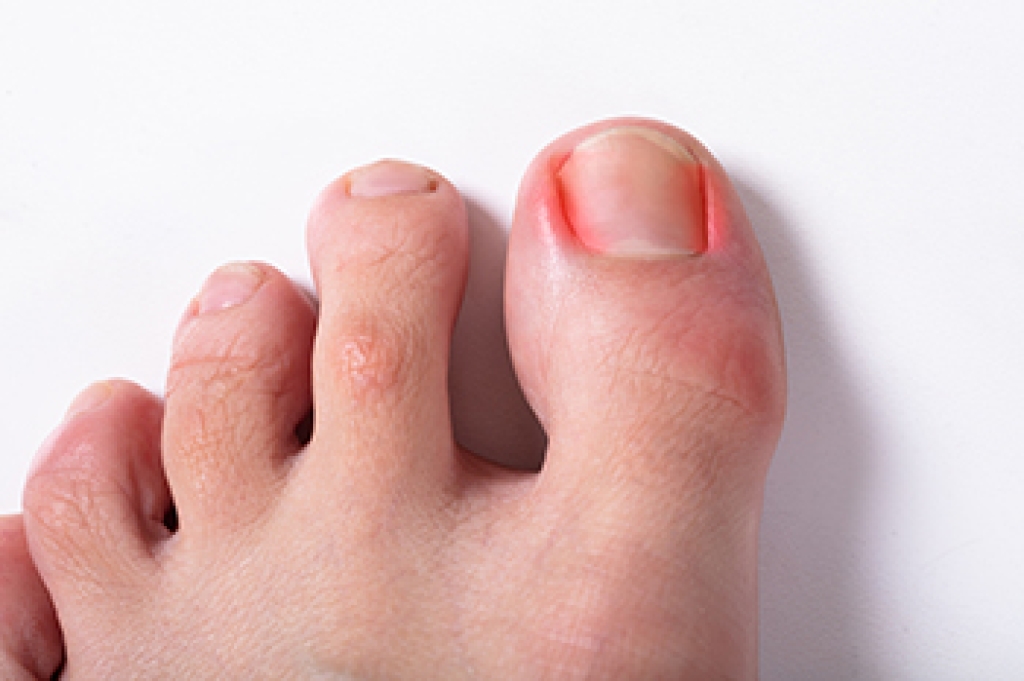
An ingrown toenail develops when the edge of a toenail grows into the surrounding skin instead of over it. This condition most often affects the big toe and can become increasingly painful if left untreated. Common causes include trimming the nails improperly, wearing tight-fitting shoes, and injuries to the toe. As the nail continues to press into the skin, it may cause redness, swelling, and tenderness. Some people also notice drainage or signs of infection if bacteria enter the irritated area. Because other toe conditions can produce similar symptoms, a professional evaluation is important to identify the problem and recommend the most appropriate treatment.


As an ingrown toenail worsens, everyday activities such as walking or exercising may become uncomfortable. Continued pressure on the affected toe can increase inflammation and make it difficult to wear normal footwear. In some cases, the surrounding skin may become infected, leading to increased pain and delayed healing. Certain individuals, including those with diabetes or poor circulation, may have a greater risk of developing complications. A thorough examination helps determine the severity of the condition and whether additional treatment is needed. Early diagnosis can reduce discomfort and help prevent the problem from becoming more serious.


A podiatrist specializes in diagnosing and treating ingrown toenails while addressing the underlying cause of the condition. Professional care focuses on relieving pain, reducing inflammation, and preventing future complications. A podiatrist also evaluates the shape of the nail and surrounding tissue to determine the most appropriate treatment plan for each patient. Early podiatry care may help protect the toe from worsening symptoms and support a faster return to comfortable daily activities. If you are experiencing toe pain, swelling, or signs of an ingrown toenail, it is suggested that you consult a podiatrist for an evaluation and appropriate treatment options.

Ingrown toenails can become painful if they are not treated properly. For more information about ingrown toenails, contact one of our podiatrists of Florida Foot & Ankle Group, P.A.. Our doctors can provide the care you need to keep you pain-free and on your feet.

Ingrown Toenails

Ingrown toenails occur when a toenail grows sideways into the bed of the nail, causing pain, swelling, and possibly infection.

Causes

  • Bacterial infections
  • Improper nail cutting such as cutting it too short or not straight across
  • Trauma to the toe, such as stubbing, which causes the nail to grow back irregularly
  • Ill-fitting shoes that bunch the toes too close together
  • Genetic predisposition

Prevention

Wearing proper fitting shoes and using proper cutting techniques will also help decrease your risk of developing ingrown toenails.

Treatment

Ingrown toenails are a very treatable foot condition. In minor cases, soaking the affected area in salt or antibacterial soaps will not only help with the ingrown nail itself, but also help prevent any infections from occurring. In more severe cases, surgery is an option. In either case, speaking to your podiatrist about this condition will help you get a better understanding of specific treatment options that are right for you.

If you have any questions, please feel free to contact one of our offices located in Debary, Lake Mary, and Orlando, FL . We offer the newest diagnostic and treatment technologies for all your foot care needs.
Read more about Ingrown Toenails

Plantar Warts Can Be Treated!

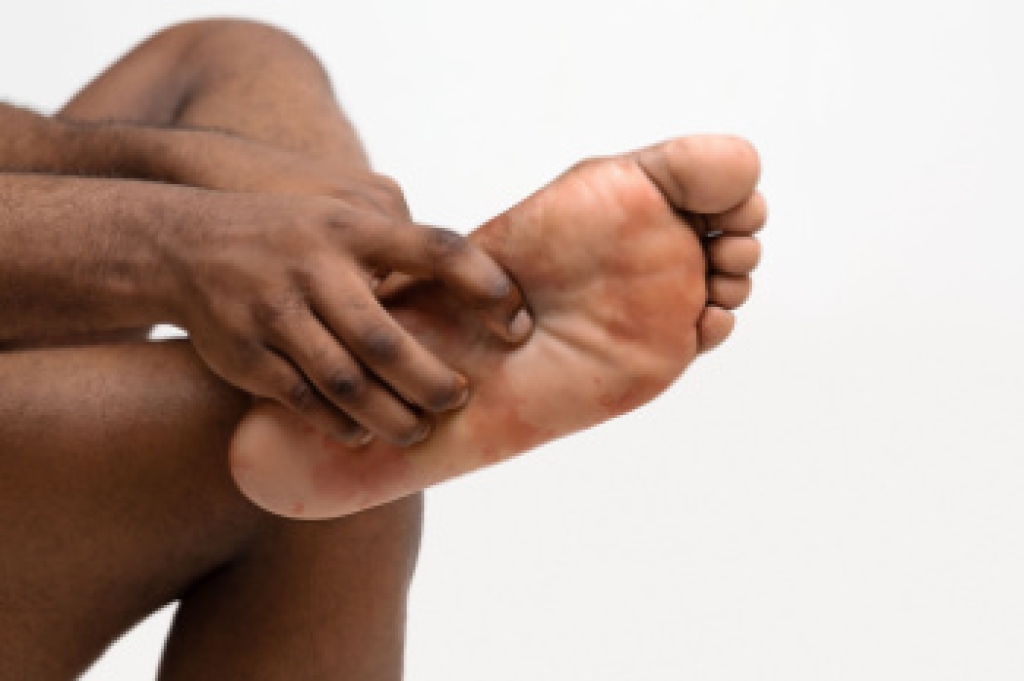
Plantar warts are small growths that develop on parts of the feet that bear weight. They're typically found on the bottom of the foot. Don't live with plantar warts, and call us today!

Risks Factors and Causes of Plantar Fasciitis

Plantar fasciitis is an inflammation of the thick band of tissue that runs along the bottom of the foot, called the plantar fascia. It can cause sharp, burning heel pain or pain under the foot that feels like walking on broken glass. Many patients notice the worst discomfort with their first steps in the morning or after sitting for a long time. The pain usually eases after several minutes of movement, but it can return after long hours of standing, running, or other demanding activities. One or both feet can be affected, making daily routines more difficult.

The plantar fascia supports the arch and helps absorb force with every step. Repeated strain can create tiny tears where the tissue attaches to the heel, leading to irritation and inflammation. Risk factors include running, standing for long periods of time, and shoes that lack proper support. Flat feet, high arches, and tight calf muscles also place extra stress on the tissue. Extra body weight and getting older increase the chance of developing this painful condition. People who return to sports after a long break also face higher risk because the tissue must handle sudden stress. Hard running surfaces and jobs that require many hours on the feet can further increase strain on the heel and arch with every step.

A podiatrist diagnoses plantar fasciitis by discussing symptoms, examining the foot, and checking how you walk. Imaging tests are only used when another problem is suspected. Treatment includes custom orthotics, injections, and target exercises. Surgery may be needed for severe cases that do not improve with other care. A podiatrist also identifies factors that cause repeated strain and recommends changes that protect the foot while supporting healing. If you have heel pain or other pain under the foot, it is suggested that you schedule an appointment with a podiatrist who can accurately diagnose and treat plantar fasciitis.

Plantar fasciitis is a common foot condition that is often caused by a strain injury. If you are experiencing heel pain or symptoms of plantar fasciitis, contact one of our podiatrists from Florida Foot & Ankle Group, P.A.. Our doctors can provide the care you need to keep you pain-free and on your feet.

What Is Plantar Fasciitis?

Plantar fasciitis is one of the most common causes of heel pain. The plantar fascia is a ligament that connects your heel to the front of your foot. When this ligament becomes inflamed, plantar fasciitis is the result. If you have plantar fasciitis you will have a stabbing pain that usually occurs with your first steps in the morning. As the day progresses and you walk around more, this pain will start to disappear, but it will return after long periods of standing or sitting.

What Causes Plantar Fasciitis?

  • Excessive running
  • Having high arches in your feet
  • Other foot issues such as flat feet
  • Pregnancy (due to the sudden weight gain)
  • Being on your feet very often

There are some risk factors that may make you more likely to develop plantar fasciitis compared to others. The condition most commonly affects adults between the ages of 40 and 60. It also tends to affect people who are obese because the extra pounds result in extra stress being placed on the plantar fascia.

Prevention

  • Take good care of your feet – Wear shoes that have good arch support and heel cushioning.
  • Maintain a healthy weight
  • If you are a runner, alternate running with other sports that won’t cause heel pain

There are a variety of treatment options available for plantar fasciitis along with the pain that accompanies it. Additionally, physical therapy is a very important component in the treatment process. It is important that you meet with your podiatrist to determine which treatment option is best for you.

If you have any questions, please feel free to contact one of our offices located in Debary, Lake Mary, and Orlando, FL . We offer the newest diagnostic and treatment technologies for all your foot care needs.


Read more about Plantar Fasciitis

Connect With Us

scroll to top