Weight and Foot Health in Seniors

Extra body weight can place added stress on the feet, especially in older adults. This pressure can affect joints and soft tissue, leading to pain and reduced mobility. Body mass index, a measure of weight compared to height, often rises with age. It is also linked to higher rates of foot pain and deformities like hammertoes and claw toes. Extra weight increases pressure on the soles, which can change how the foot functions while walking. Seniors may notice fatigue, balance problems, or difficulty staying active. Long-term overload may weaken ligaments, which are bands that support joints, and can contribute to arch changes or flat-footed posture. A podiatrist can evaluate foot structure, check alignment, order imaging, and provide medical treatment to reduce strain and improve stability. If you are a senior and have foot problems from carrying extra weight, it is suggested that you schedule an appointment with a podiatrist for appropriate treatment.

The more you weigh, the harder your feet must work to support your body. If you’re an obese individual and are concerned about your feet, contact one of our podiatrists from Florida Foot & Ankle Group, P.A.. Our doctors can provide the care you need to keep you pain-free and on your feet.

Obesity and Your Feet

People who are overweight are putting more pressure on their ankles, knees, and hips as well as their feet. This unfortunately can lead to variety of different issues.

Problems & Complications Stemming from Obesity

  • When the body is overweight, it tries to compensate by changing the way that it moves. An obese person may lean forward and put extra weight on the wrong part of the foot. This puts unnecessary stress on the feet.
  • Obese people are also more likely to develop type II diabetes which is a condition that causes a lot of foot problems. People with diabetes often don’t feel the cuts and sores that they may have on their feet, which can lead to more complicated and severe issues.
  • Plantar fasciitis is another foot condition that can be caused by obesity. Plantar fasciitis is an inflammation of the tissue along the bottom of the foot, which causes pain and stiffness while walking and climbing stairs.

If you have any questions please contact one of our offices located in Debary, Lake Mary, and Orlando, FL . We offer the newest diagnostic and treatment technologies for all your foot and ankle needs.

Read more about Obesity and the Feet

Definition and Risk Factors of Gout

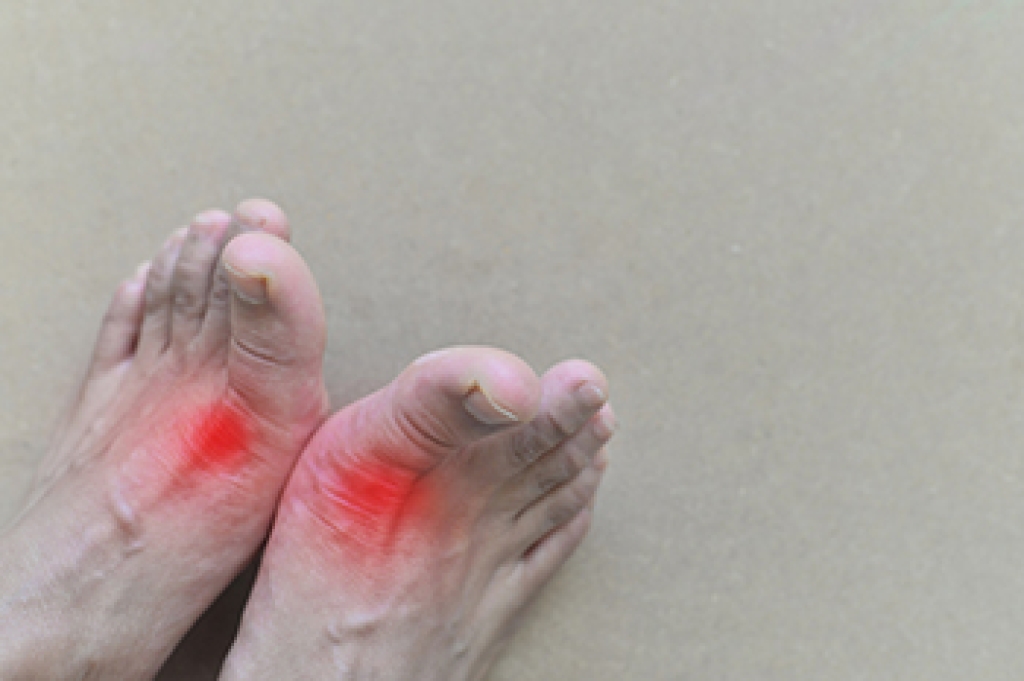
Gout is a form of inflammatory arthritis caused by a buildup of uric acid in the body, leading to the formation of sharp crystals within joints. When uric acid levels rise, the body cannot eliminate it effectively, allowing crystals to accumulate and trigger inflammation. This process often affects the big toe, where sudden pain, redness, swelling, and warmth can develop. Symptoms may appear rapidly and become severe, making walking difficult. Risk factors include diet, genetics, certain medical conditions, and reduced kidney function. A podiatrist can diagnose gout, manage flare-ups, and recommend treatments to reduce pain and prevent recurrence. Gout can be painful and may cause difficulty in completing daily activities. If you have symptoms of gout, it is strongly suggested that you are under the care of a podiatrist who can help you to manage this painful condition.

Gout is a foot condition that requires certain treatment and care. If you are seeking treatment, contact one of our podiatrists from Florida Foot & Ankle Group, P.A.. Our doctors will treat your foot and ankle needs.

What Is Gout?

Gout is a type of arthritis caused by a buildup of uric acid in the bloodstream. It often develops in the foot, especially the big toe area, although it can manifest in other parts of the body as well. Gout can make walking and standing very painful and is especially common in diabetics and the obese.

People typically get gout because of a poor diet. Genetic predisposition is also a factor. The children of parents who have had gout frequently have a chance of developing it themselves.

Gout can easily be identified by redness and inflammation of the big toe and the surrounding areas of the foot. Other symptoms include extreme fatigue, joint pain, and running high fevers. Sometimes corticosteroid drugs can be prescribed to treat gout, but the best way to combat this disease is to get more exercise and eat a better diet.

If you have any questions, please feel free to contact one of our offices located in Debary, Lake Mary, and Orlando, FL . We offer the newest diagnostic and treatment technologies for all your foot care needs.

Read more about Gout

Plantar Fasciitis and Footwear Choices

Plantar fasciitis involves inflammation of the thick band of tissue that supports the arch of the foot. It often develops when improper footwear fails to provide adequate support or cushioning, placing excessive strain on the heel and arch. Symptoms include sharp heel pain, stiffness, and discomfort that is often worse in the morning or after periods of rest. Risk factors include prolonged standing, high-impact activities, flat feet, high arches, and wearing unsupportive shoes. A podiatrist can diagnose the condition, recommend proper footwear, prescribe custom orthotics, and develop a treatment plan to reduce pain and improve function. Plantar fasciitis can be painful, and may cause difficulty in completing daily activities. If you have consistent heel pain, it is suggested that you consult a podiatrist who can accurately diagnose the problem.

Plantar fasciitis can be very painful and inconvenient. If you are experiencing heel pain or symptoms of plantar fasciitis, contact one of our podiatrists  from Florida Foot & Ankle Group, P.A.. Our doctors can provide the care you need to keep you pain-free and on your feet.

What Is Plantar Fasciitis?

Plantar fasciitis is the inflammation of the thick band of tissue that runs along the bottom of your foot, known as the plantar fascia, and causes mild to severe heel pain.

What Causes Plantar Fasciitis?

  • Excessive running
  • Non-supportive shoes
  • Overpronation
  • Repeated stretching and tearing of the plantar fascia

How Can It Be Treated?

  • Conservative measures – anti-inflammatories, ice packs, stretching exercises, physical therapy, orthotic devices
  • Shockwave therapy – sound waves are sent to the affected area to facilitate healing and are usually used for chronic cases of plantar fasciitis
  • Surgery – usually only used as a last resort when all else fails. The plantar fascia can be surgically detached from the heel

While very treatable, plantar fasciitis is definitely not something that should be ignored. Especially in severe cases, speaking to your doctor right away is highly recommended to avoid complications and severe heel pain. Your podiatrist can work with you to provide the appropriate treatment options tailored to your condition.

If you have any questions, please feel free to contact one of our offices located in Debary, Lake Mary, and Orlando, FL . We offer the newest diagnostic and treatment technologies for all your foot care needs.

Read more about Plantar Fasciitis

Are You Suffering From Ingrown Toenails?

If left untreated, an ingrown toenail can lead to more serious concerns, such as an infection. Knowing proper nail care can help in the prevention of an ingrown toenail. Give us a call, and get treated!

Connect With Us

scroll to top